WHY ROLLS EXISTS
The scanner remembers.
The camera doesn’t.
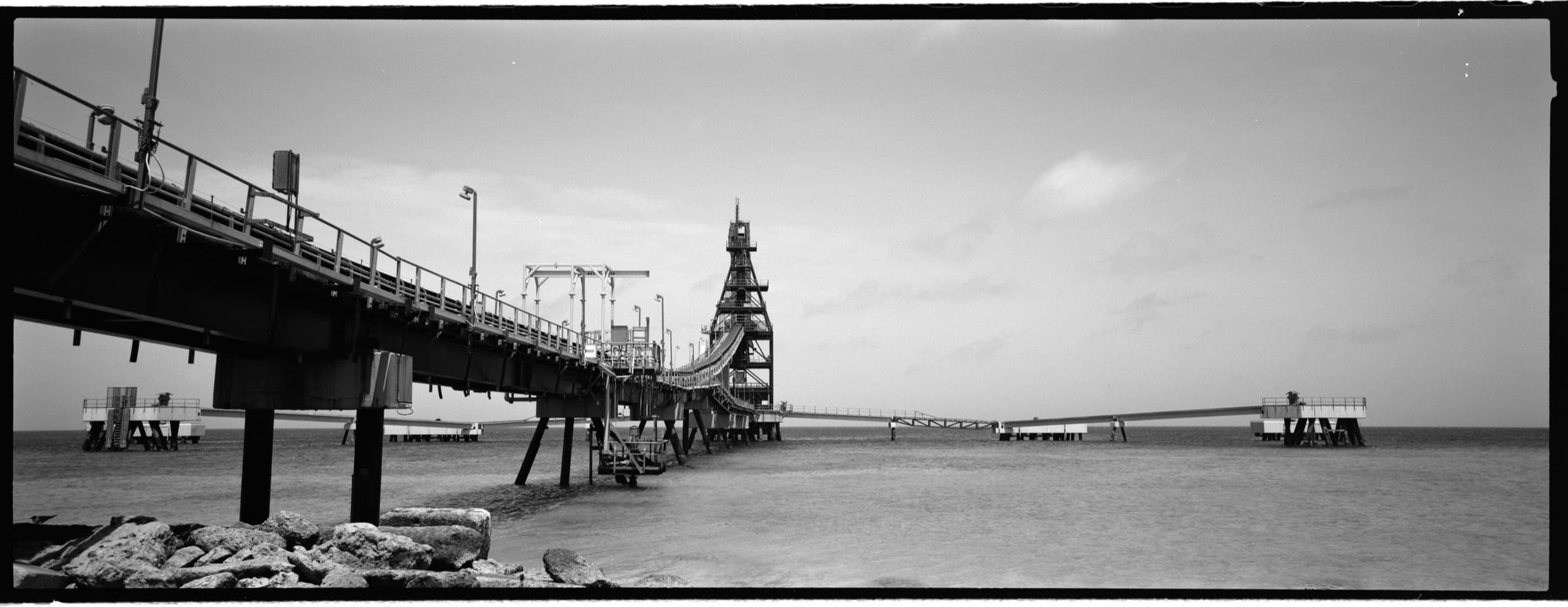
The file behind the photograph above is called DSCF1371.jpg. Its metadata is complete and confident: Fujifilm GFX 100S II, GF120mm Macro, f/11. Every field is accurate. None of it is about the picture.
That’s the scanning rig. The photograph was made on Fujifilm TX-1 with a Hasselblad 45mm lens, on Ilford Delta 100, at f/8 — and that information lives nowhere but my memory, which is not a storage medium I’d trust with anything.
This is the ordinary condition of shooting film in a digital workflow. Scans come back from the lab as flat files wearing someone else’s EXIF. Drop them into a Lightroom library beside digital frames that know their own focal length, their own shutter speed, the exact second they were taken, and the film frames sit there anonymous. You can filter your digital work by lens. You cannot answer “what did I shoot on the Summilux last year” about the half of your work that matters most to you.
Rolls is the answer to that gap. It is a catalog that knows film is organized by roll, stock, camera, and lens, because that is how film is actually organized — not by folder, and not by whatever the scanner decided to write.
What I shoot
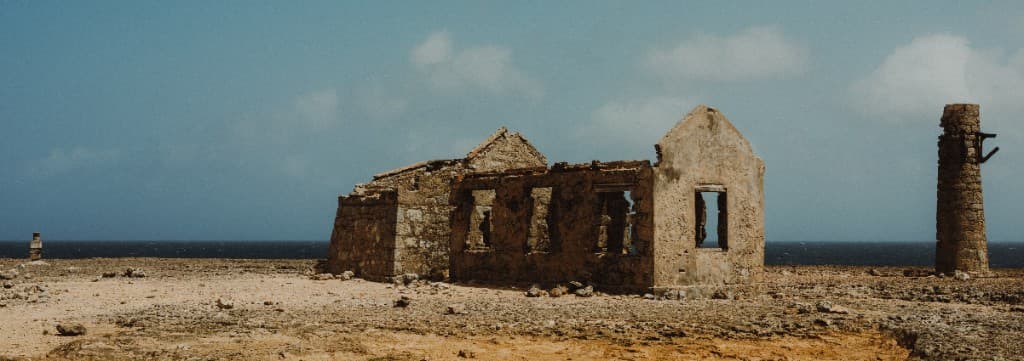
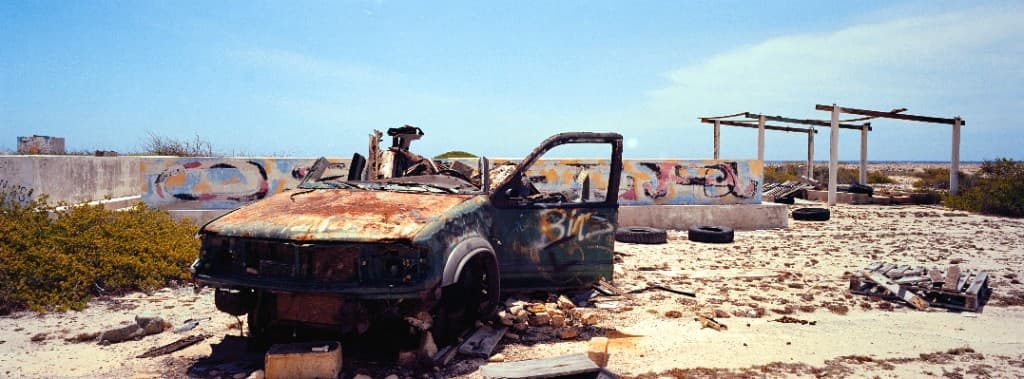
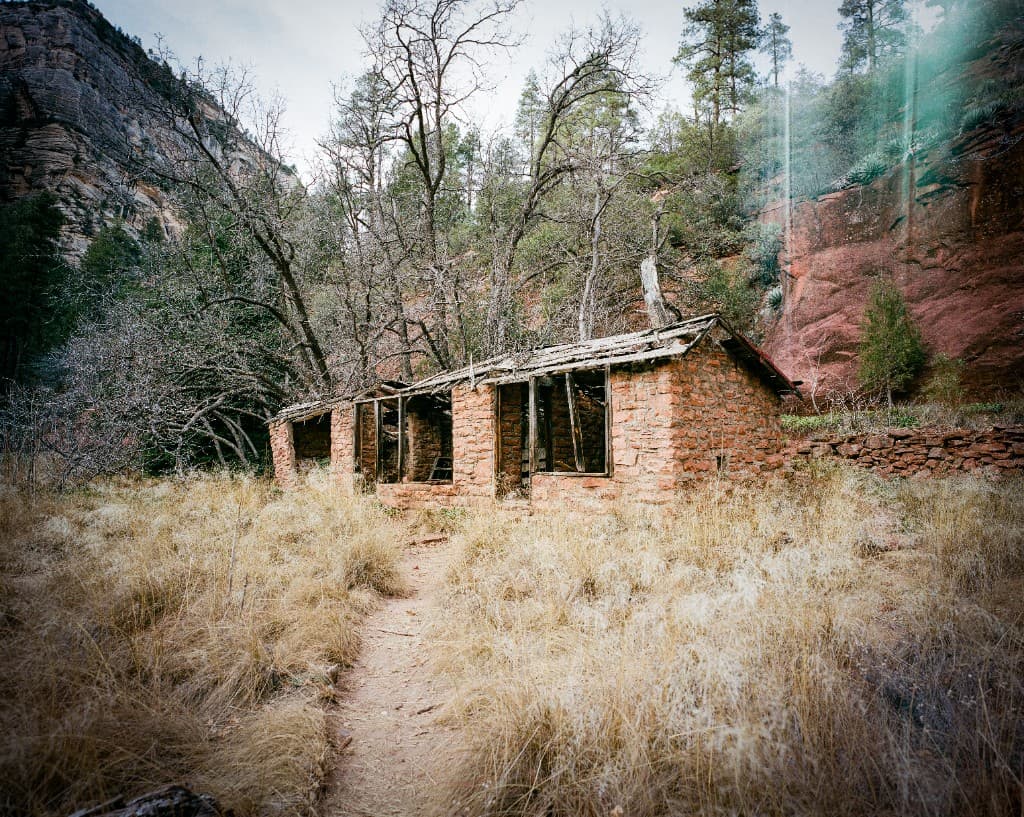
35mm, medium format, 4×5 — and I especially love panoramic (35mm, 6×17). I am interested in places people have built something and then stopped maintaining it — parking structures, coastal ruins, industrial edges, the flat frontal facts of a landscape after somebody has been through it.
I am a software engineer by trade, and the idea for Rolls came from both my passion for photography and my desire to create something that filled what I felt was a real gap in cataloging photographs shot on film.
What Rolls is not
It is not an editor. There are excellent editors and I use one; adding a worse one to the world helps nobody. Rolls is the thing that lives around your scanning workflow — it takes the scans in, gives them the context the lab could not, and hands them off to Lightroom as XMP sidecars when you’re ready to work.
It has no account, because it doesn’t need one. It has no network access at all — not “we don’t sell your data,” but no code path that could send anything anywhere. Your library is a folder on your Mac, and when I stop developing this app, it will keep working, because nothing about it depends on me continuing to exist.
That is a deliberate limitation and it costs me things. It means no sync, no web gallery, no telemetry telling me which features anyone uses. I would rather ship a tool you own outright than a service you rent.
Rolls is 1.0 and I’m still building it. If it’s missing something your workflow needs, tell me — rolls.support@gmail.com. I read all of it, and a fair number of the features in the app came in that way.